
Protecting What Matters Most
The Waldron Ranch stands as proof that conservation and community can thrive side by side
More than just land.
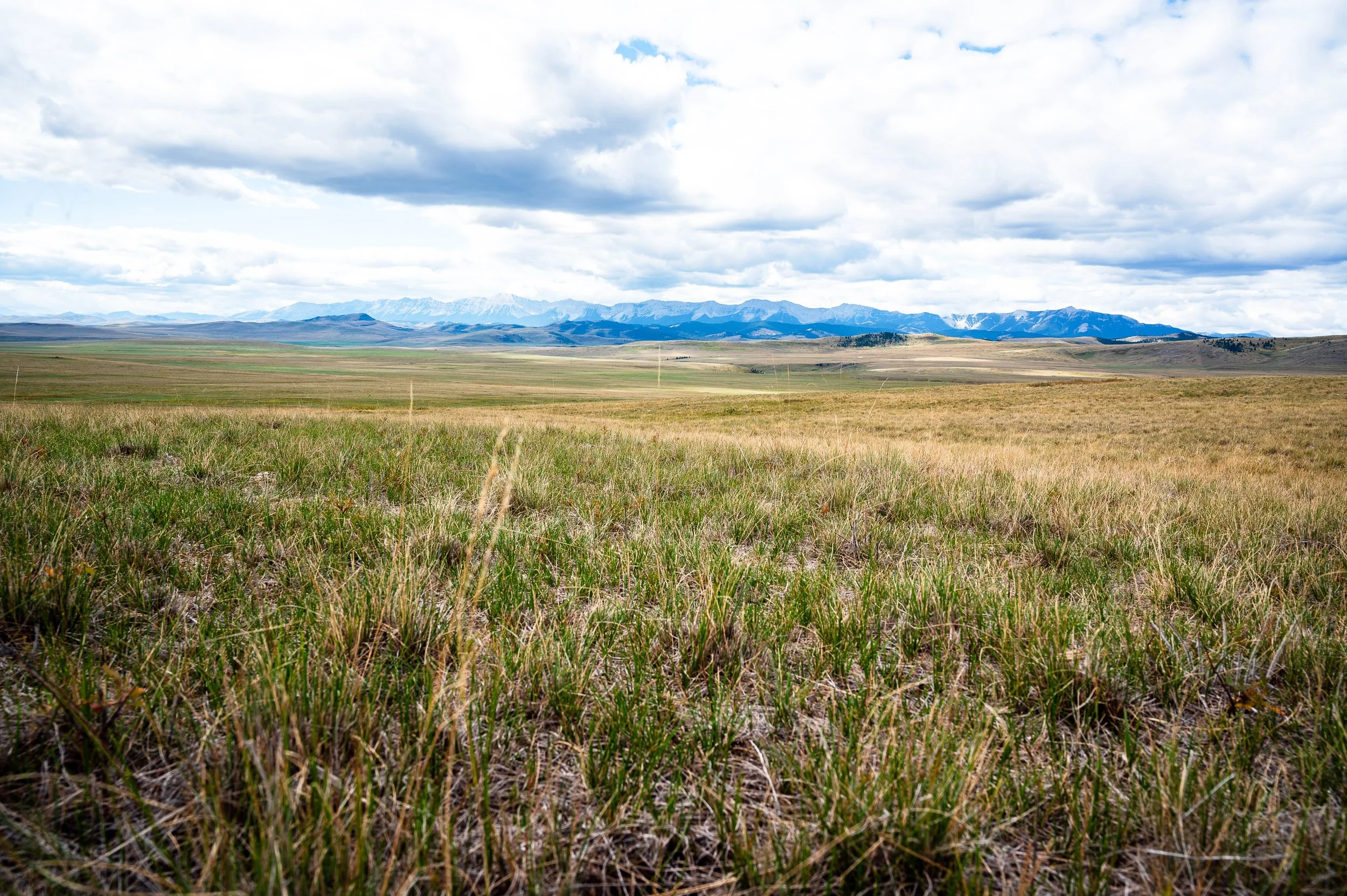
One of the last strongholds of native grasslands, the world’s most endangered ecosystem and an ecosystem with the highest number of species at risk.
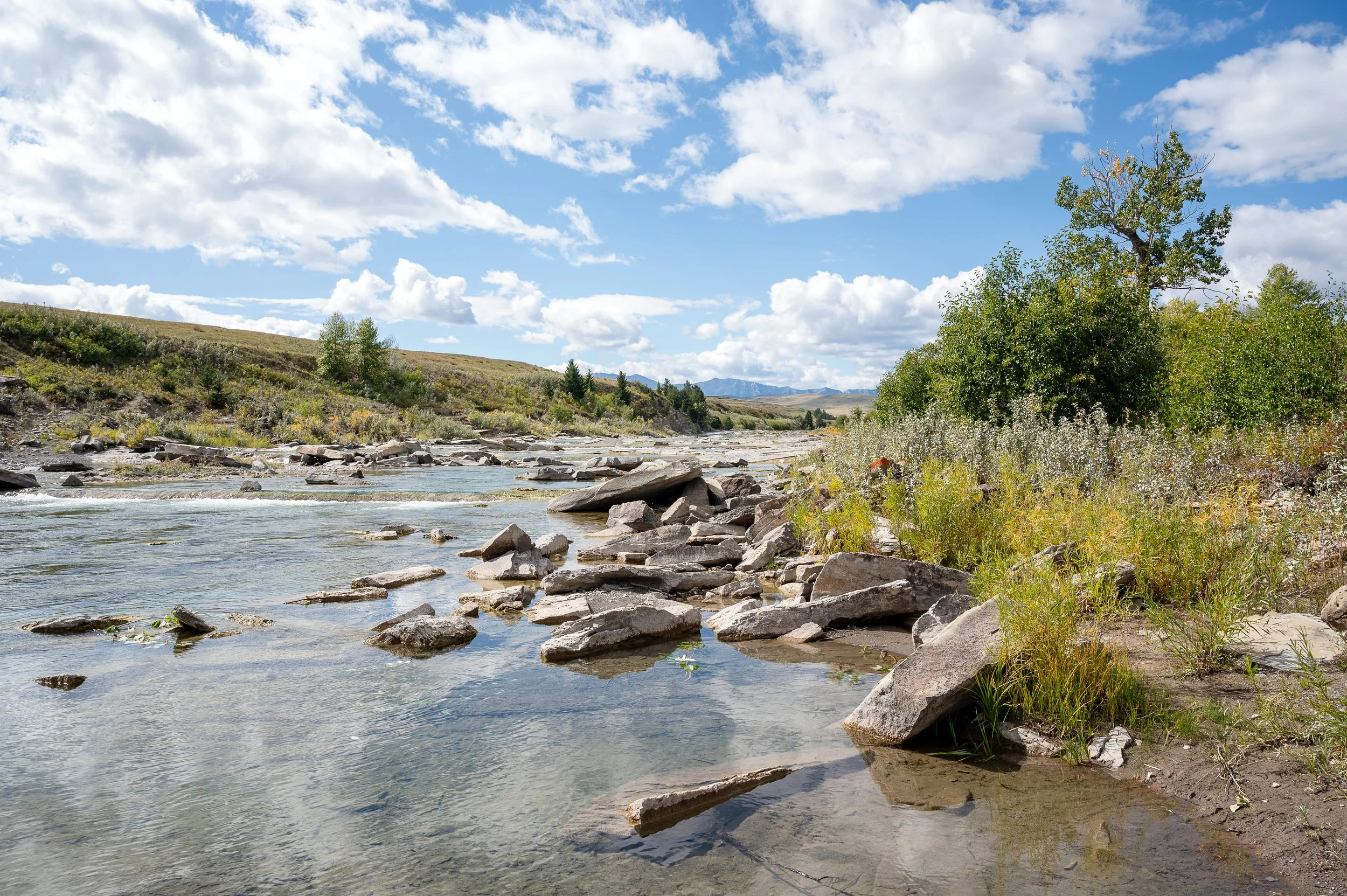
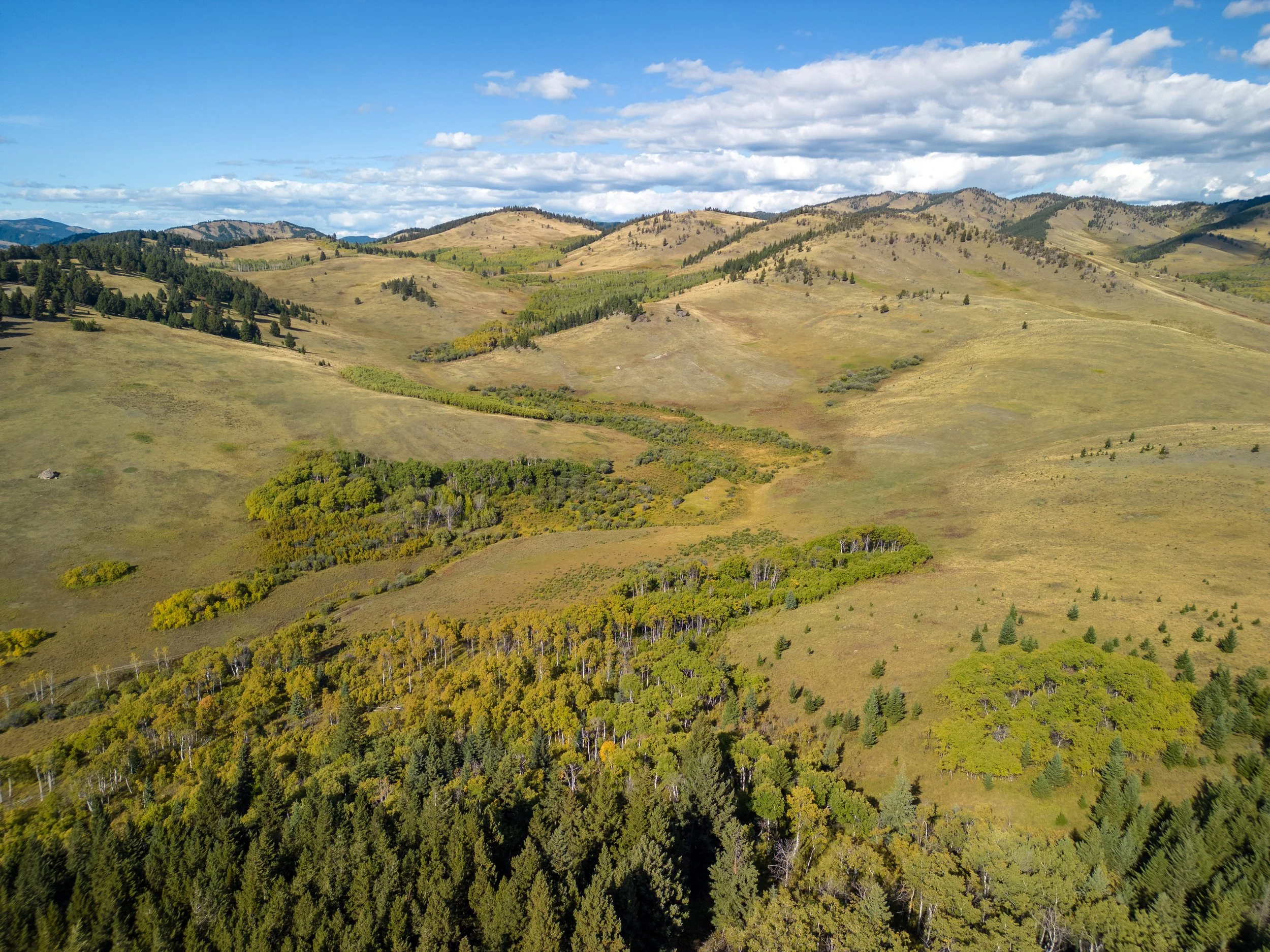
The Waldron straddles the Montane Natural Subregion and the Foothills Fescue Natural Subregion, home to rough fescue grasslands that provide essential services: water filtration, carbon storage, soil protection, and forage for both wild and domestic animals.
These eastern slopes are among the most ecologically significant regions in the country, a vital corridor for wildlife, and a critical source of clean water for communities downstream. The Waldron is a place where food production connects with conservation and communities.
A Historic Agreement
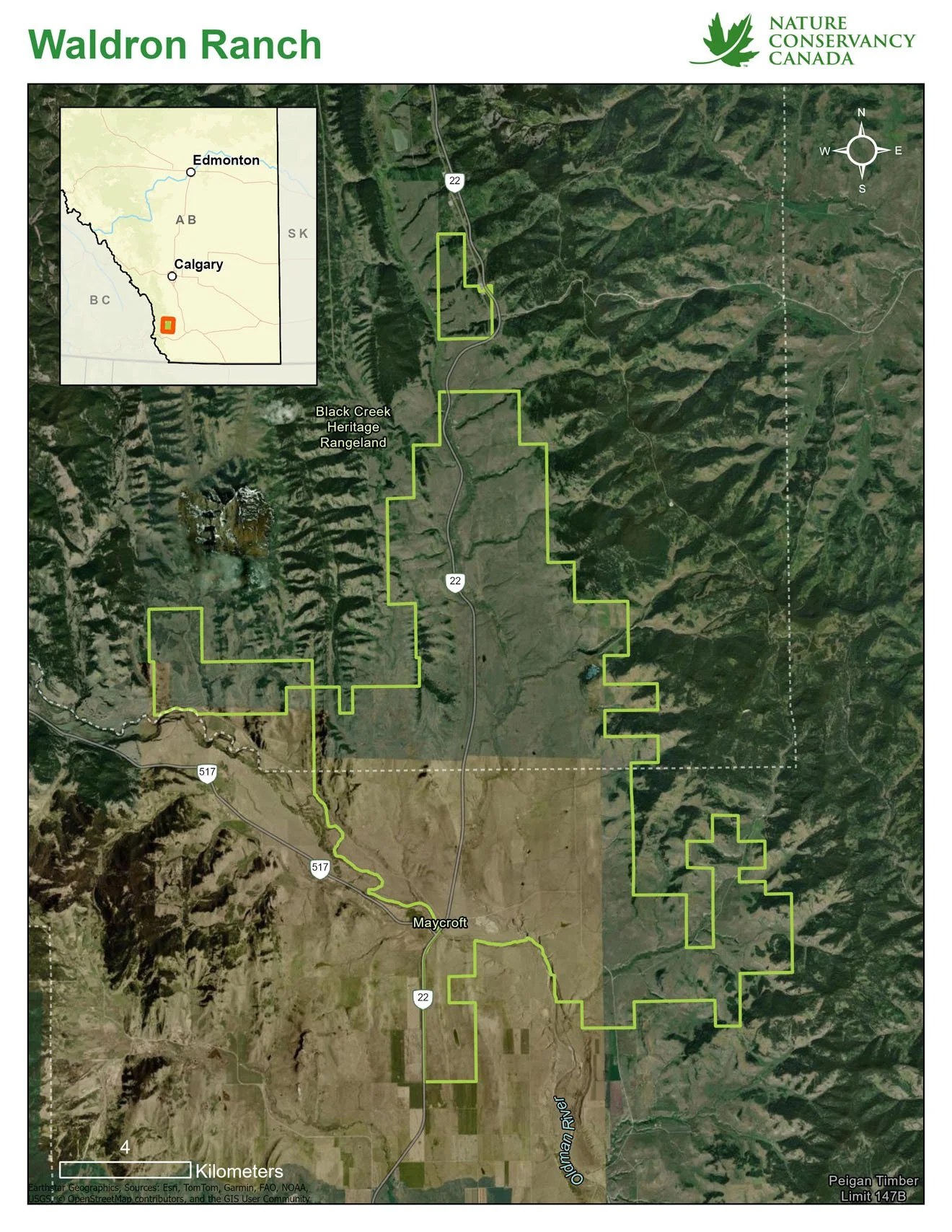
On April 3, 2013, the Nature Conservancy of Canada (NCC) and the Waldron Grazing Co-operative formalized a groundbreaking conservation easement agreement, marking a turning point in Alberta ranching history. The $37.5 million easement project secured 30,535 acres of privately owned native grassland. Funding was provided by the Government of Alberta, the Government of Canada, private donors, and the Co-op itself.
The agreement safeguards the landscape for generations to come, allowing ranching activities to continue while legally protecting conservation of the ecosystem.
This innovative model ensures environmental protection without compromising the livelihood and purpose of the co-op's shareholders, which has been repeated as the Waldron has expanded.
2013 Waldron easement was signed (30,538 acres)
2015 King easement signed (4,205 acres)
2025 Bob Creek easement signed (2,066 acres)
Ranching Stewards.
Canada is home to one of the most endangered ecosystems in the entire world - the temperate grasslands of the Great Plains. The families that graze cattle at the Waldron are conserving these iconic landscapes and providing hope for the plants and animals that call them home.
Ecological Significance
The ranch is located in the headwaters of the South Saskatchewan River basin, with creeks and rivers like the Oldman River running through, making it essential for water supply and quality downstream.
It is also a biodiversity hotspot, home to many species that share the landscape with the cattle.
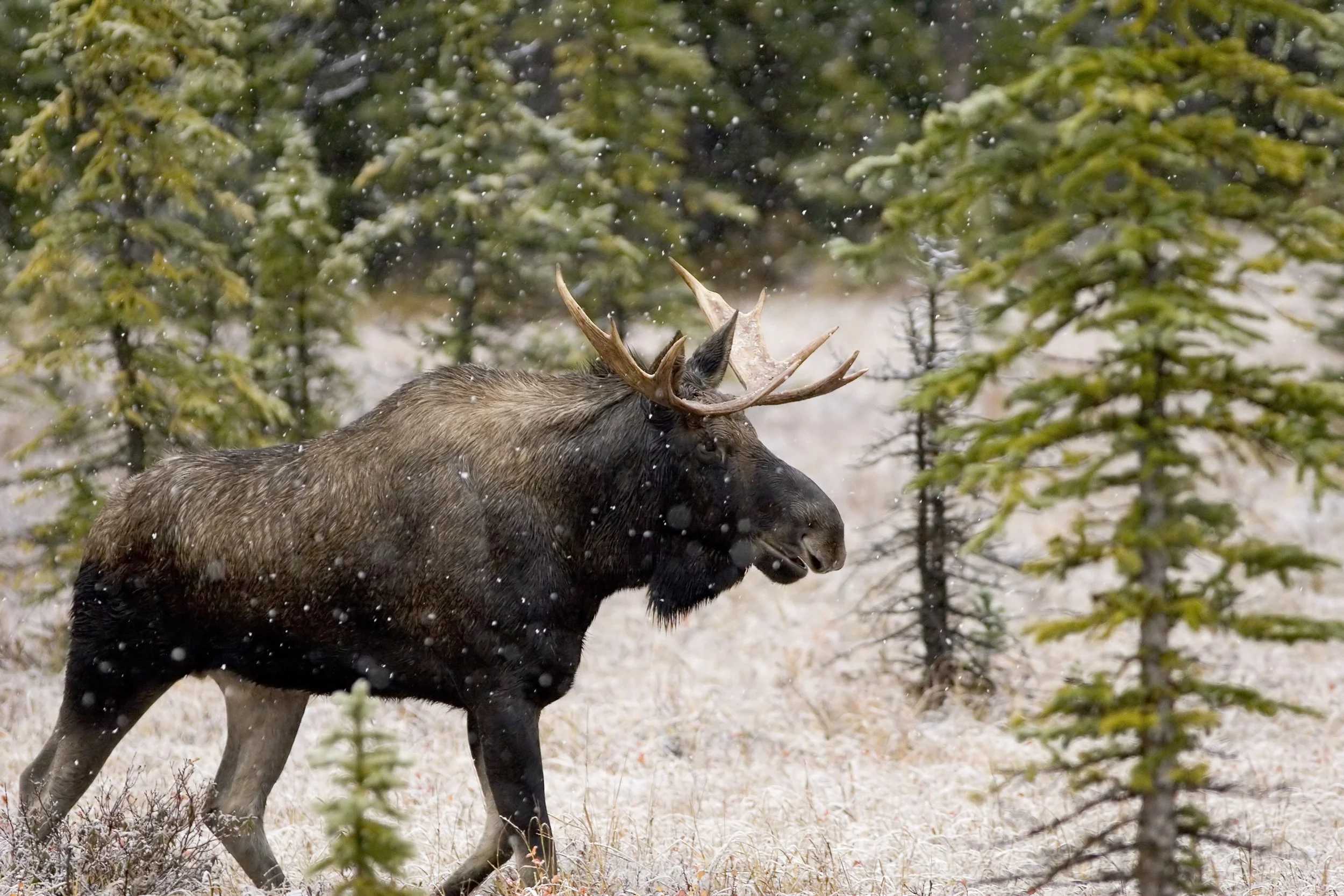


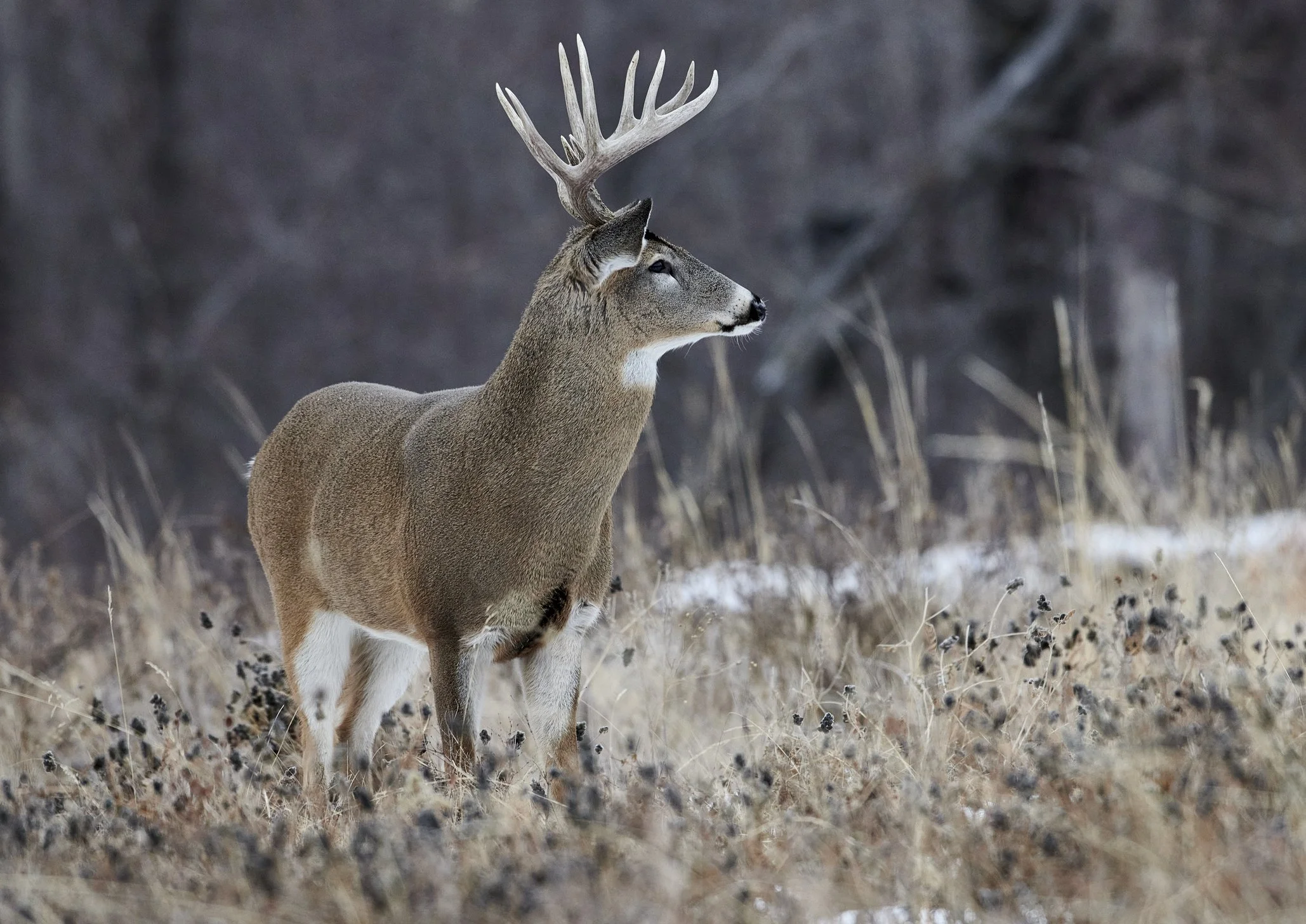
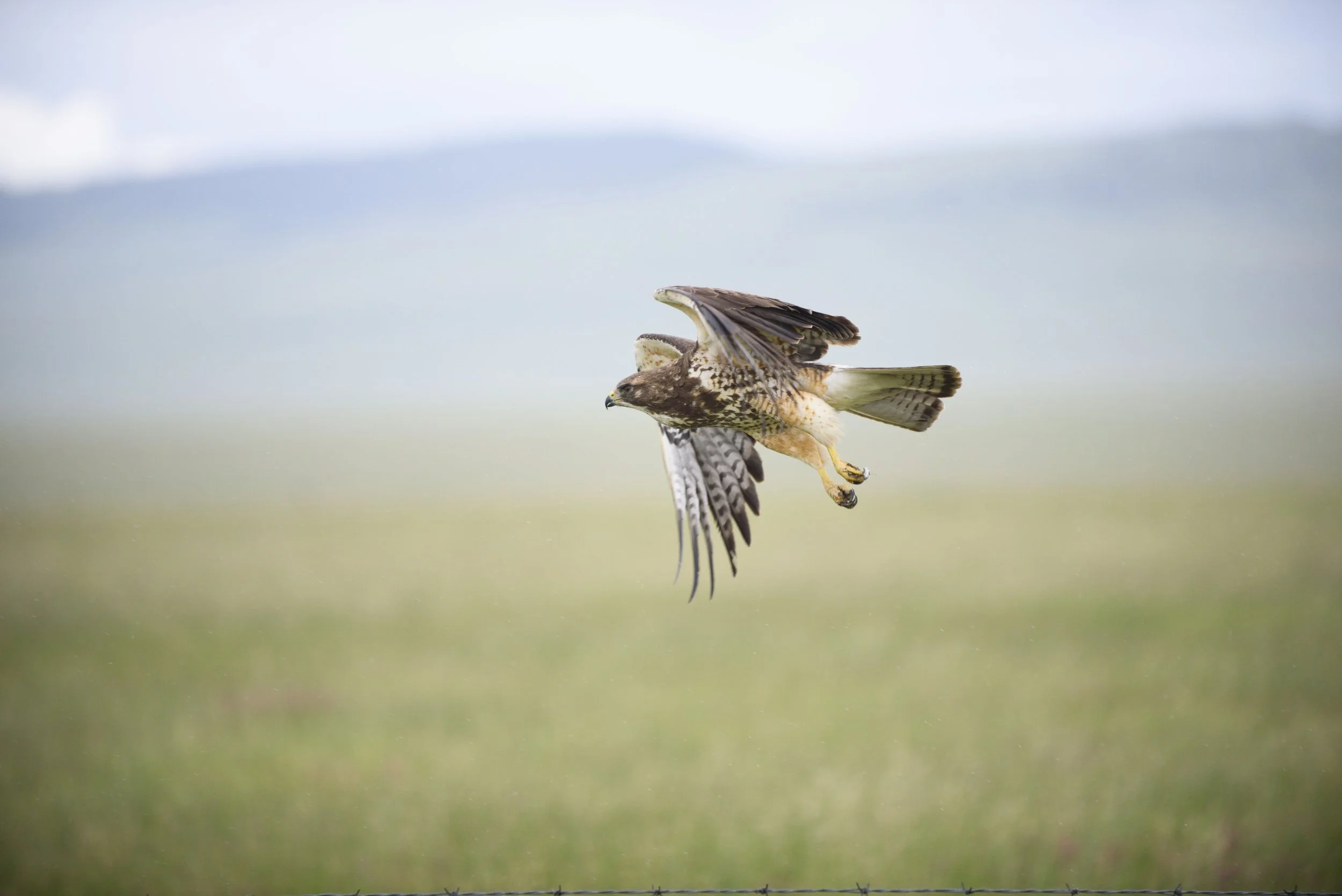
The grasslands and the forests of Douglas-fir, Lodgepole Pine, and aspen woodlands support wildlife such as:
Elk
Grizzly and black bears
Moose
White-tailed and mule deer
Bald and golden eagles
Wild turkeys
Cougars
Wolves
Mountain bluebirds
At least 19 species at risk have been observed at the Waldron, including species such as:
Ferruginous hawk
Limber pine
Bull Trout
Westslope Cutthroat Trout
Bats
Clark’s nutcracker
Looking to the Future
With the largest remaining block of deeded land along Alberta’s eastern slopes now under protection, the conservation easement provides a model for how sustainable ranching and environmental stewardship can coexist. Grazing will continue, and so will the story of this land—as a place of biodiversity, resilience, and shared responsibility.